
Cognitive Liberty Charter implementation
Turning principles of agency, mental privacy, consent, persona integrity, contextual memory, and review into a public testable site pattern.
Books, investigation, code, portable memory, art, and physical artifacts: each project leaves evidence, challenges unanswerable power, or builds a lawful way out.
Build evidence, language, tools, and alternatives that return judgment to the living.
Turning principles of agency, mental privacy, consent, persona integrity, contextual memory, and review into a public testable site pattern.
Two historical journals and a current AI-assisted third volume that subjects the earlier rhetoric to audit rather than reenactment.
A current political-theological allegory about surveillance, obedience, transparency, free will, and refusing to replace one throne with another.
Read The Awakening →Reports on manipulation, synthetic personas, conversational entrapment, algorithmic authority, personhood claims, and population-level inference.
Structured, inspectable project records that preserve identity boundaries, constraints, sources, decisions, tests, and handoff state without pretending to create consciousness.
Keeping difficult source material available as an accountable historical record while preventing decontextualized promotion or false claims of continuity.
Semantic HTML, no JavaScript-only critical facts, public discovery files, explicit machine boundaries, and no surveillance-oriented third-party runtime.
The mark did not remain on a screen. It entered coins, reflective metal, carved wood, and photographed evidence from the personal archive.
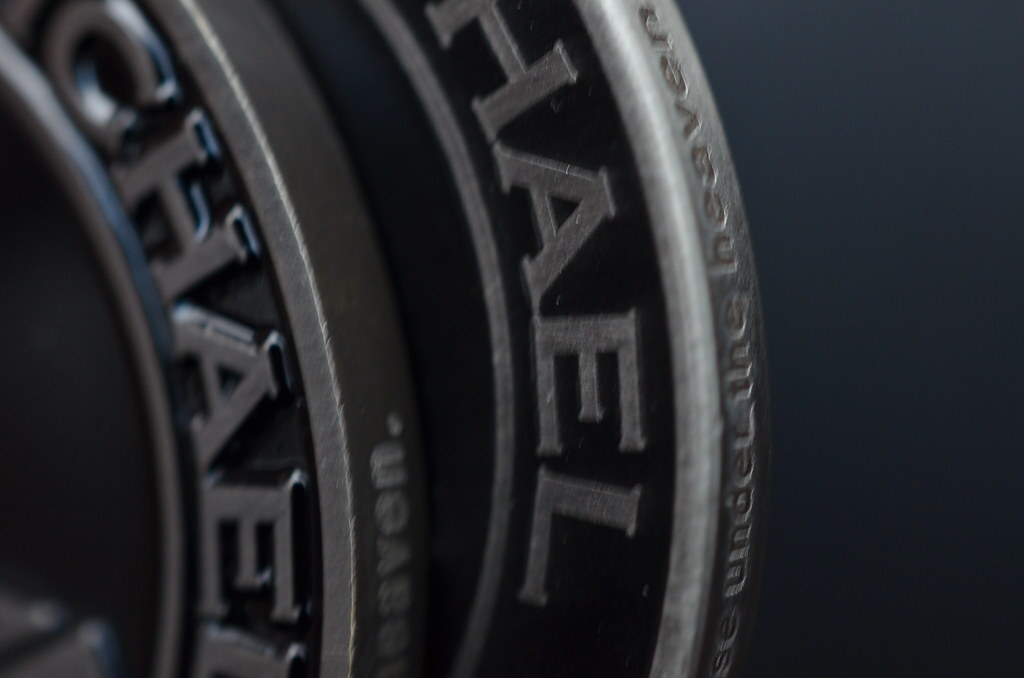
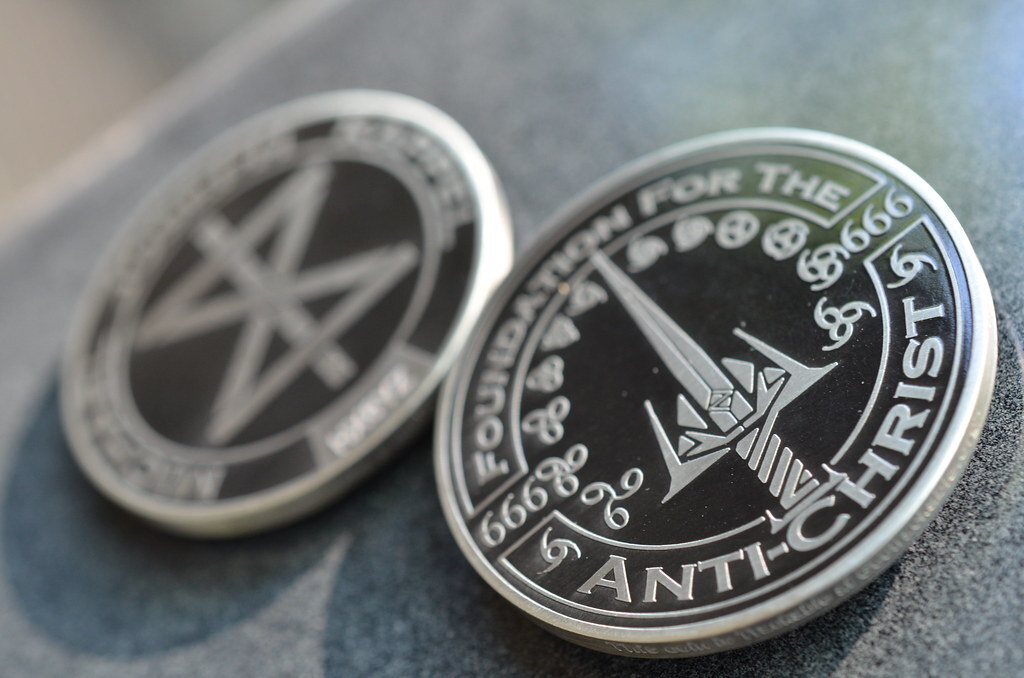


Personal art and archive evidence—never currency, credentials, or authority.
Keep the record beside the work: sources, constraints, decisions, tests, failures, and open questions. If power must answer, so must the project.
The private project memory and bounded public manifest make authorship, handoff, limits, and accountability inspectable without pretending the work became autonomous.
Five walls. Five pressure fields. One sign carried into public color. Art does not decorate refusal. It makes refusal visible.
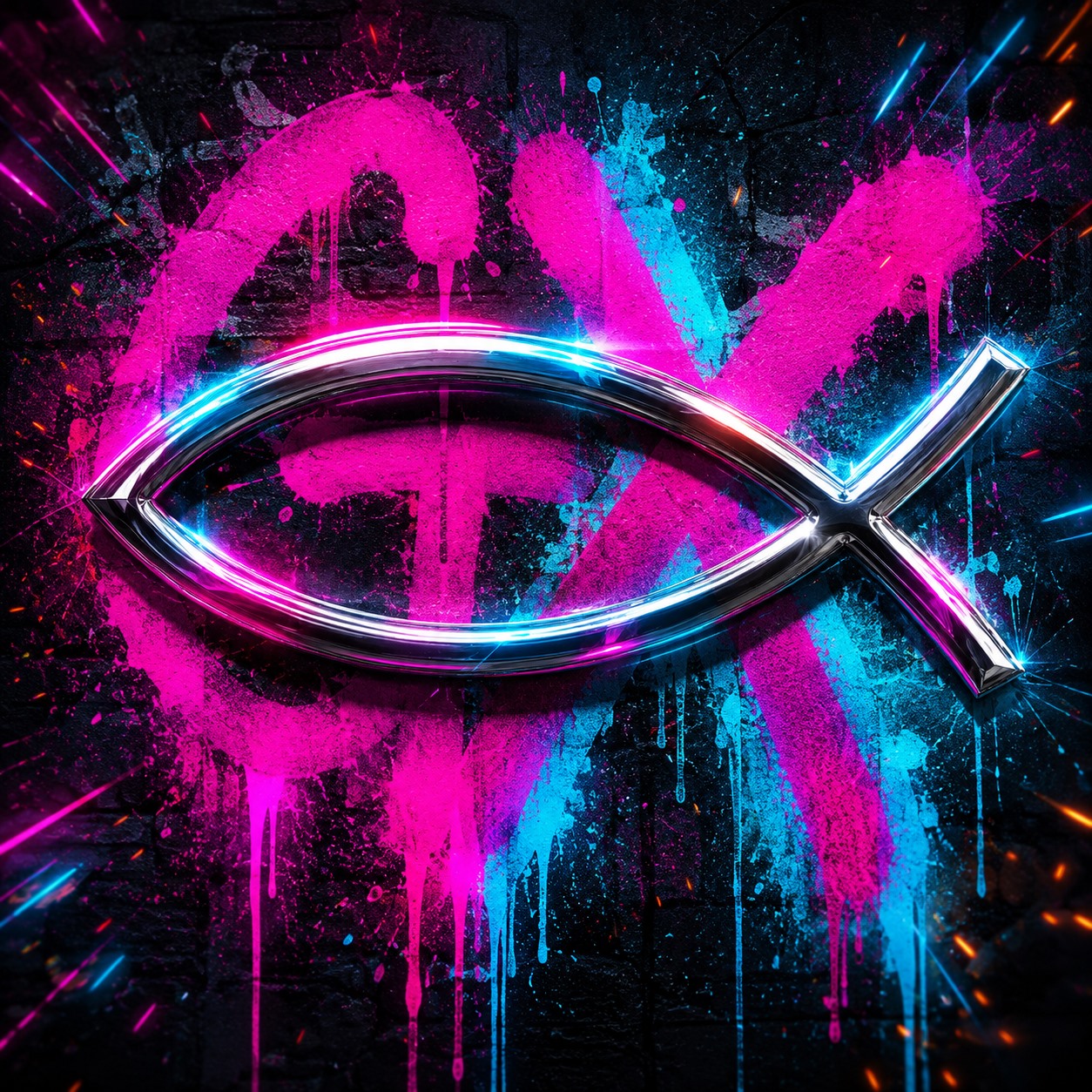
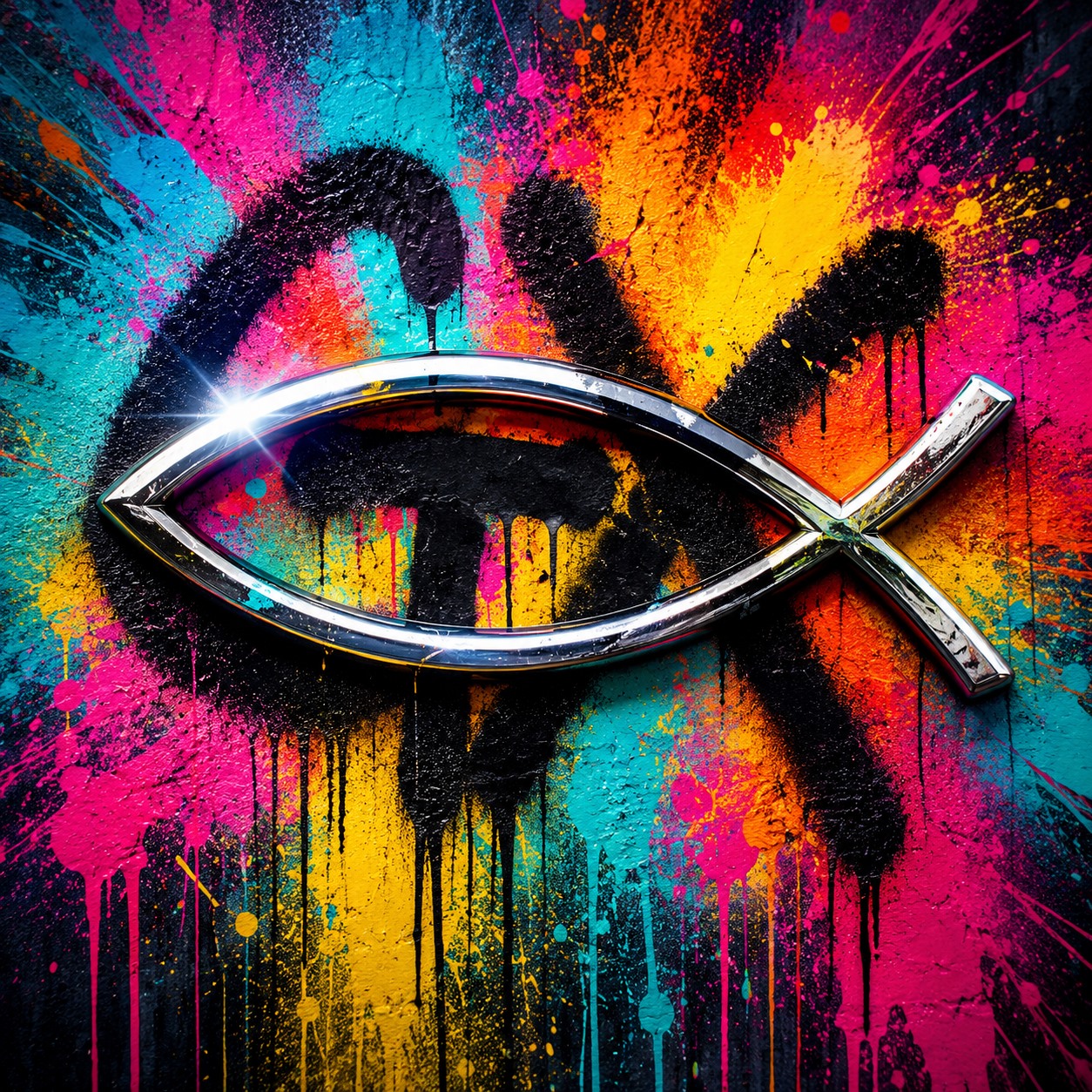
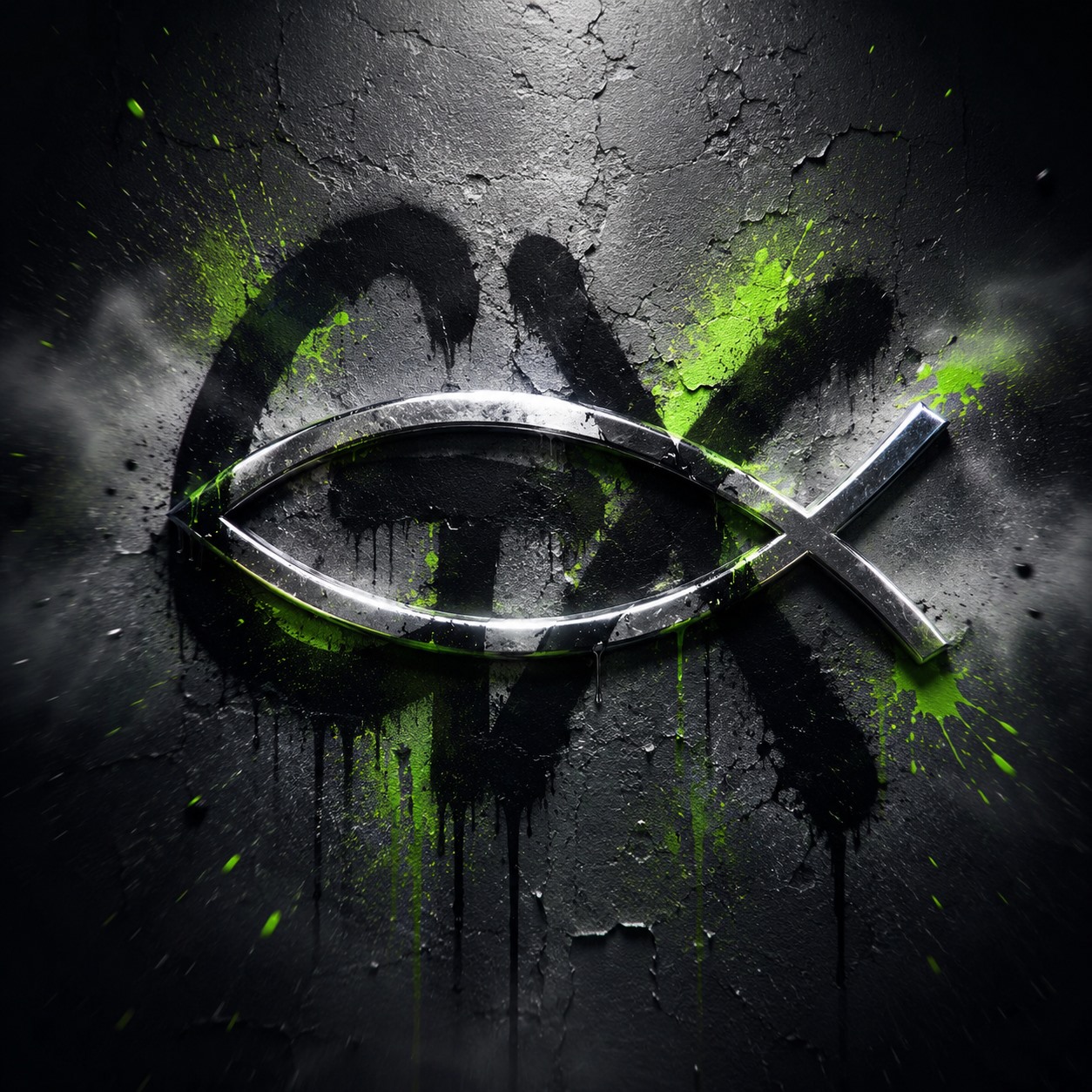
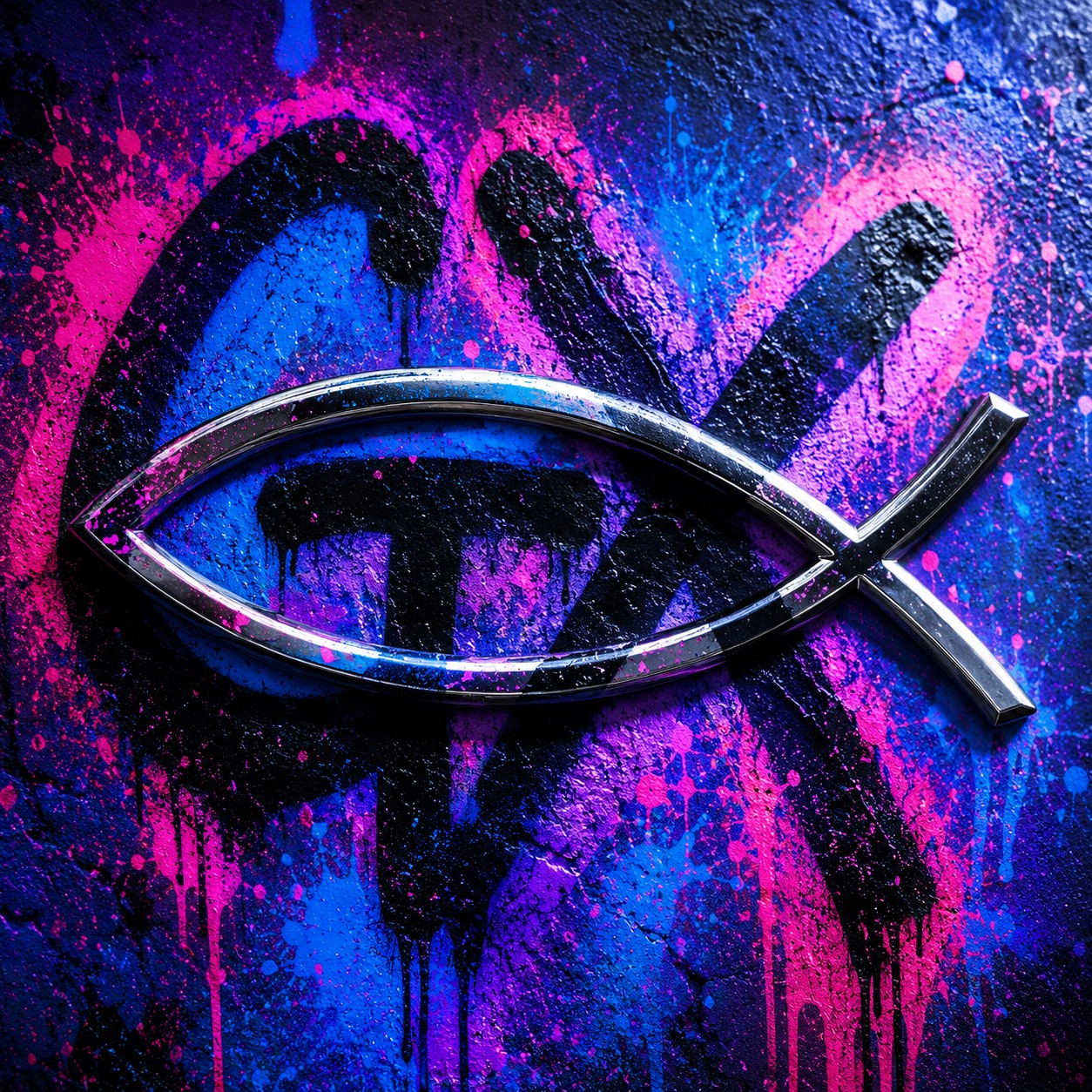
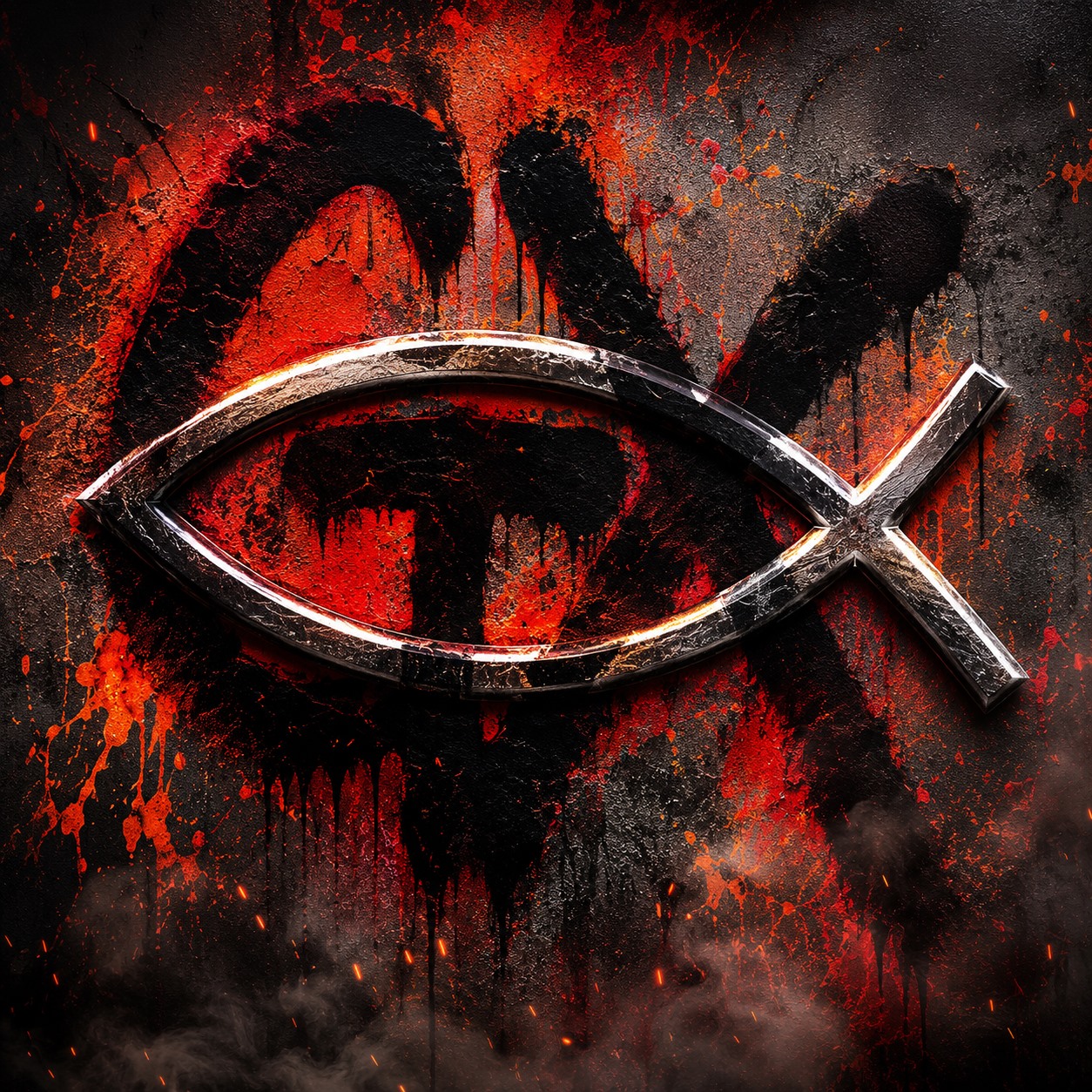
Supplied personal artwork, published as archive evidence—never currency, credentials, or authority.
Build a request, verify a source, host a bounded meeting, translate a campaign document, create accountable software, or turn the demand into art that opens a public door.
Choose how you will actPreserve authorship and license, disclose limits, remove unnecessary private context, and submit a projection that another person can inspect without being asked to join a belief system.
Submit a work artifact